Boiler Repair in Arverne, Queens
Specialized troubleshooting, mechanical adjustments, and component replacements for residential steam and hot-water heating systems across the Rockaway Peninsula.
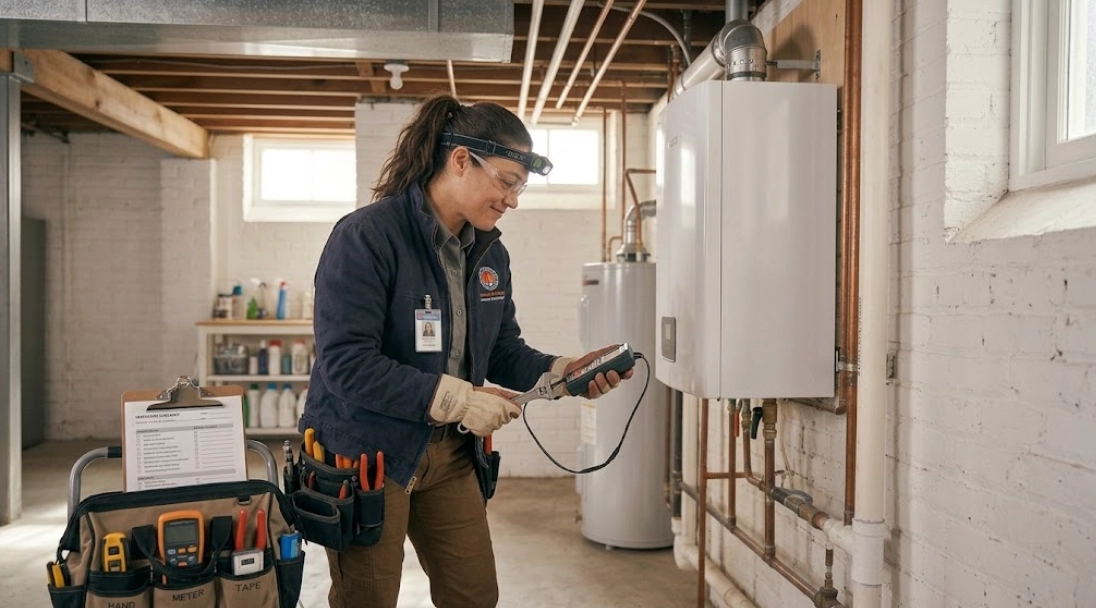
Dependable Heating Diagnostics on the Rockaway Coast
When winter weather sweeps off the Atlantic Ocean and across Jamaica Bay, heating reliability becomes an immediate priority for homeowners throughout Arverne. A malfunctioning heating plant quickly leads to freezing indoor temperatures, compromised comfort, and the threat of burst domestic water pipes. Property owners needing thorough boiler repair Arverne Queens can rely on systematic mechanical troubleshooting that targets root causes rather than temporary symptoms.
Heating systems throughout our coastal neighborhood range from historic single-pipe low-pressure steam plants found in classic detached homes to modern multi-zone hydronic boilers installed in newly constructed coastal residences. Whether your building suffers from a no heat boiler repair Arverne Queens emergency on a frigid morning or ongoing operational irregularities such as pressure spikes and erratic burner cycling, professional diagnosis ensures safe, code-compliant restoration of your heat supply.
Understanding Your System: Steam vs. Hot Water Boilers
Effective repairs begin by recognizing the fundamental engineering differences between steam and hydronic hot-water heating configurations. While both systems utilize cast-iron or steel boilers fueled by natural gas, their operating principles, safety controls, and distribution mechanics diverge significantly.
Low-Pressure Steam Boilers
Steam systems boil water inside the boiler vessel to generate steam vapor that expands upward through vertical risers to cast-iron radiators. Operating at low pressures—typically 0.5 to 2.0 PSI—steam systems rely on delicate pressure regulation through a vaporstat or pressuretrol. Crucial maintenance points include the sight glass water gauge, float-type or probe-type low-water cutoffs, and automatic water feeders that prevent dangerous dry-firing conditions.
Hydronic Hot-Water Boilers
Hot-water heating systems keep the entire boiler block, distribution piping, and baseboard convectors or radiators continuously filled with pressurized water. Operating between 12 and 20 PSI, these closed-loop systems use electrical circulator pumps to push heated water through zoned circuits. Key diagnostic components include expansion tanks, pressure-reducing fill valves, high-limit aquastats, and automatic air eliminators.
If you require steam boiler repair Arverne Queens to correct loud pipe hammering or water loss, or need hot water boiler repair Arverne Queens to resolve failing circulator zone valves, accurate technical diagnosis prevents unnecessary part replacements and ensures the heating loop functions smoothly.
Common Boiler Symptoms and Shutdown Causes
Modern boilers feature multi-layered safety mechanisms engineered to lock out the burner whenever an unsafe operational threshold is reached. When you find your boiler not working Arverne Queens, the issue often stems from one of several primary failure points:
Low-Water Cutoff (LWCO) Tripping
On steam systems, the low-water cutoff is the primary defense against boiler meltdown. Heavy sediment, rust scale, or float ball corrosion can prevent the mechanism from detecting normal water levels, locking the burner out prematurely or allowing the boiler to dry fire.
Pressure Relief Valve Discharge
A relief valve dripping or dumping water onto the basement floor indicates excessive pressure or thermal expansion. On hot-water boilers, a waterlogged expansion tank or failed pressure reducing valve is often responsible. On steam boilers, a defective pressuretrol setting can drive steam pressure into unsafe zones.
Burner Ignition & Flame Sensor Failures
Whether your unit uses an intermittent spark ignition, hot surface igniter, or older thermocouple-pilot assembly, carbon buildup and oxidation can disrupt flame sensing. If the control module cannot verify a stable flame within seconds, it automatically cuts gas flow for safety.
Circulator Pump & Aquastat Faults
For hydronic systems, a seized pump motor, bad starting capacitor, or stuck flow-check valve leaves the boiler firing to high-temperature limits without circulating warm water into living spaces. Aquastat relays with burnt contact points can also fail to signal the circulator or burner.
Urgent Warning Signs and Immediate Safety Precautions
Certain heating symptoms represent immediate safety hazards that require immediate intervention rather than standard maintenance. Familiarize yourself with these warning indicators:
Critical Safety Alert: Natural Gas Odor & Carbon Monoxide
Sulfur or Rotten Egg Odor: Natural gas contains mercaptan to warn occupants of gas leaks. If you smell gas near your boiler or meter, evacuate all occupants immediately. Do not touch light switches, do not use landline phones inside, and do not operate electrical appliances. Call 911 or National Grid from outside.
Carbon Monoxide Alarm Sounding: Blocked flues, rusted chimney liners, or improper combustion can cause deadly carbon monoxide to spill into living areas. Exit to fresh air immediately and call emergency services.
Visual & Audible Warning Checklist
- Black Soot Accumulation: Soot on the boiler jacket, draft diverter, or floor indicates incomplete combustion, insufficient draft, or restricted heat exchanger passages.
- Violent Hammering or Kettle Noises: Metallic pounding in steam lines points to trapped condensate colliding with high-velocity steam, while kettling in hot-water boilers indicates heavy internal mineral scaling restricting water flow.
- Continuous Water Leaks: Puddles under the boiler casting or around piping joints can cause foundation damage, extinguish burners, or indicate cracked boiler sections.
- Scorched Electrical Wiring: Burnt insulation or acrid plastic smells around control relays, zone valves, or transformer boxes require immediate electrical shutoff.
The Professional Repair Process: Step by Step
Proper heating diagnosis follows an orderly, methodical engineering sequence. Replacing components haphazardly without testing leads to repeat breakdowns and inflated repair expenses. Here is what property owners can expect during a diagnostic service visit:
-
1
Initial Safety and Visual Inspection
The technician inspects the boiler surroundings, electrical emergency switches, fuel shutoffs, chimney draft hood, flue breeching, and combustible clearance to verify the equipment is safe to evaluate.
-
2
System Pressure and Water Level Verification
On steam systems, the technician checks the water gauge glass, flushes the low-water cutoff chamber, and measures operating pressure. On hydronic boilers, static cold and hot loop pressures are verified to detect expansion tank waterlogging or fill valve defects.
-
3
Electrical Control and Safety Circuit Testing
Using digital multimeters, the technician tests low-voltage transformers, thermostat call signals, high-limit switches, aquastat contacts, and electronic ignition modules to isolate circuit interruptions.
-
4
Burner, Gas Valve, and Combustion Analysis
The fuel train is evaluated, including manifold gas pressure, pilot assembly integrity, flame rectification signals, and draft strength, ensuring clean, efficient burner firing and safe exhaust venting.
-
5
Component Repair and Operational Commissioning
Defective controls, valves, or switches are replaced with OEM-rated parts. The system is test-fired through complete operational cycles to confirm smooth ignition, correct water feeding, and consistent radiator heat distribution.
Repair vs. Replacement: Making the Right Decision
When dealing with older heating equipment, property owners often question whether investing in repairs remains financially sensible or if full replacement is the wiser choice. We believe in providing transparent, objective engineering evaluations without arbitrary replacement rules.
| Evaluation Factor | Repair Is Recommended | Replacement Merits Consideration |
|---|---|---|
| Heat Exchanger Condition | Cast-iron sections are sound, free of cracks, and showing no internal or external section joint leaks. | Cracked, breached, or severely corroded casting leaking water into the combustion chamber. |
| Defective Component | External, bolt-on serviceable parts: gas valves, aquastats, circulators, LWCO, vents, or thermocouples. | Structural boiler failure, obsolete controls with unavailable parts, or repeated block cracking. |
| Operating Efficiency | System meets comfort requirements and burner maintains acceptable combustion efficiency. | Chronic poor efficiency, severe scale accumulation, or significant heating demand changes after renovations. |
| Frequency of Repairs | Isolated breakdown following years of reliable, routine seasonal operation. | Frequent seasonal breakdowns requiring multiple costly service calls every winter season. |
To learn more about modern high-efficiency sizing and equipment replacement options, explore our detailed guide to boiler replacement in Arverne.
Local Building Conditions in Arverne, Hammels, and Edgemere
Boilers operating along the Rockaway Peninsula endure environmental demands that inland heating plants never experience. Salt-laden coastal air accelerates galvanic corrosion on external metal casings, copper piping joints, and chimney flue transitions. Basements in low-lying sections along Beach 67th Street, Beach 68th Street, and the Rockaway Freeway often face elevated groundwater tables, making moisture management around heating equipment essential.
Whether you require gas boiler repair Arverne Queens in a renovated wood-frame home, boiler repair near Hammels in a brick multi-family dwelling, or boiler repair near Edgemere in an elevated coastal property, accounting for coastal humidity, proper combustion air ducting, and electrical grounding ensures your heating plant operates safely through harsh coastal winters.
Comprehensive Heating & Plumbing Services in Arverne
Connected plumbing infrastructure that supports home heating, water safety, and property protection.
Boiler Replacement
When cast-iron sections crack or repeated breakdowns compromise winter heating, a properly sized new boiler provides enhanced fuel efficiency, quieter operation, and dependable warmth for Queens homes.
Steam Heat & Radiator Repair
Cold radiators, sputtering air vents, and violent steam pipe hammering disrupt indoor comfort. Expert radiator valve replacements and pipe pitch corrections restore balanced, quiet steam heating.
Water Heater Repair
From indirect water heaters tied into your boiler loop to standalone gas and electric storage tanks, we diagnose pilot outages, sediment buildup, thermostat faults, and water leaks.
Sewer Line Repair
Underground sewer lateral obstructions lead to multi-fixture backups that threaten boiler room floors. High-definition camera diagnostics pinpoint broken clay or cast-iron lines for targeted repair.
Sump Pump & Flood Protection
In low-lying coastal Arverne, seasonal high tides and severe rainstorms pose basement flooding risks that can submerge boiler burners and electrical controls. Reliable pumps keep mechanical rooms dry.
Gas Line Repair & Inspection
Your gas boiler requires safe, code-compliant fuel delivery piping. We inspect gas lines, test for leaks, connect heating equipment, and assist property owners with NYC Local Law 152 compliance.
Drain Cleaning
Sluggish basement drains, grease-choked kitchen lines, and utility sink stoppages cause wastewater overflows. Professional snaking and mechanical clearing keep your plumbing system draining freely.
Frequently Asked Questions About Boiler Repair
Clear answers to frequent heating concerns from Arverne homeowners.
Why did my boiler suddenly shut down and stop producing heat?
A sudden boiler shutdown is usually triggered by a safety control device preventing hazardous operating conditions. The most common triggers include a low-water condition shutting off the burner via the low-water cutoff, an extinguished standing pilot light, a failed flame sensor on electronic ignition systems, excessive boiler pressure opening the relief valve, or an open high-limit aquastat switch.
What is the difference between a steam boiler and a hot-water hydronic boiler?
A steam boiler operates at very low pressure (typically 0.5 to 2 PSI) by boiling water inside the cast-iron heat exchanger into steam, which naturally expands upward through riser pipes into radiators. A hot-water (hydronic) boiler maintains a completely filled water loop operating at 12 to 20 PSI, circulating heated water through baseboards or radiators using an electric circulator pump.
Why is my steam boiler filling with too much water or losing water rapidly?
Overfilling is typically caused by a malfunctioning automatic water feeder valve or sediment lodged in the float chamber of the low-water cutoff mechanism. Rapid water loss, conversely, usually points to leaking air vents on radiators, an unseated pressure relief valve discharging water, or underground buried wet returns corroded from acidic condensate.
How does coastal humidity and salt air in Arverne affect heating equipment?
Arverne's location on the Rockaway Peninsula exposes heating appliances to airborne salt aerosol and high ambient humidity. This accelerates oxidation on outdoor combustion air intakes, flue pipes, draft hoods, and electrical ground terminals. Regular seasonal inspection ensures these metal components remain sound and free from draft-blocking corrosion.
When does it make sense to repair a boiler versus replacing the entire unit?
Repair is practical when the core cast-iron or steel heat exchanger remains intact and the failure is restricted to external, serviceable controls such as the gas valve, thermocouple, aquastat, circulator pump, or pressure relief valve. Replacement is warranted when the heat exchanger develops structural cracks, water sections leak internally, or the boiler is severely deteriorated and beyond its reliable service life.
Restore Safe, Reliable Heat to Your Arverne Home
Reach our telephone dispatch desk to describe your heating symptoms and arrange prompt boiler troubleshooting in Arverne, Queens.
Call (315) 202-8009