Gas Line Repair & Inspection in Arverne, Queens
Certified pressure testing, leak detection, gas piping repairs, appliance hookups, and NYC Local Law 152 compliance assistance across the Rockaway Peninsula.
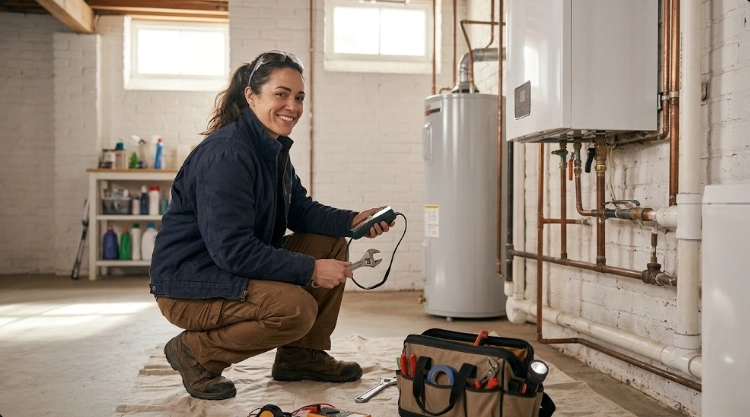
Safe Fuel Gas Piping Services in Arverne
Natural gas fuels the essential heating boilers, domestic water heaters, and cooking appliances that keep Arverne households functioning through every season. Because fuel gas is pressurized and flammable, gas piping systems demand the highest standards of mechanical precision, strict code adherence, and unwavering safety vigilance. Property owners seeking reliable gas line repair Arverne Queens can rely on methodical testing and code-compliant workmanship.
In coastal Queens, airborne salt spray, basement moisture, and historic piping layouts can cause surface oxidation, compromised threaded joints, or obsolete shutoff valves. Whether your property requires diagnostic pressure decay testing, new fuel line routing for a heating upgrade, or a thorough gas piping inspection Arverne Queens, all fuel gas work must be performed by or under the direct supervision of an appropriately Licensed Master Plumber as required by NYC law.
Mandatory Life Safety Instructions for Suspected Gas Leaks
IF YOU SMELL NATURAL GAS OR HEAR HISSING NEAR GAS PIPING:
- Evacuate Immediately: Direct all occupants and pets to leave the building at once. Leave doors open as you exit to assist ventilation.
- Do NOT Operate Electrical Devices: Do not touch light switches, lamps, doorbells, garage door openers, or landline phones. An electrical spark from a single switch contact can ignite gas.
- Do NOT Search for the Leak: Never attempt to locate a gas leak using matches, lighters, or open flames, and never attempt a DIY repair on pressurized gas piping.
- Call from Outdoors: Once you are a safe distance from the property, immediately call 911 or the local gas utility (National Grid at 1-718-643-4050).
Precision Leak Detection and Gas Line Repairs
When utility technicians lock a gas meter due to a detected leak or pressure loss, restoring service requires systematic diagnostic testing and permitted mechanical repairs:
High-Sensitivity Electronic Detection
Technicians use intrinsically safe digital combustible gas sniffer instruments alongside approved bubble-forming liquid leak detection solutions along all threaded black iron pipe joints, union couplings, and appliance shutoff cocks to identify minute gas escapes.
Static Pressure Decay Testing
To verify absolute gas line integrity, the piping system is isolated from the meter and appliance gas valves. Compressed air is pumped into the line to code-mandated test pressure, monitored on a calibrated manometer. The pressure must hold steady with zero drop over the required test period.
Appliance Connections and New Line Installations
Upgrading kitchen ranges, gas clothes dryers, or modern high-efficiency boilers often requires dedicated fuel branch lines sized to deliver adequate BTU volume without starving other household appliances:
Gas Line Installation for Kitchen Stoves
A professional gas line installation for stove Arverne Queens involves calculating total connected load to determine pipe diameter, cutting and threading heavy-gauge black steel pipe, installing an accessible quarter-turn brass ball valve, and connecting an approved flexible stainless steel appliance connector. Every joint is leak-tested before commissioning.
Fuel Supply for Heating Boilers & Water Heaters
Central heating boilers consume substantial gas volume during cold morning startup. Ensuring proper pipe sizing from the gas meter to the boiler burner train prevents burner hunting and flame instability. We coordinate gas piping with our boiler repair in Arverne and boiler replacement projects, as well as water heater repair services.
NYC Local Law 152 Periodic Gas Piping Inspections
In New York City, building safety regulations mandate periodic inspection of exposed gas piping systems under Local Law 152 of 2016. Understanding these requirements helps property owners maintain full regulatory compliance:
Covered Buildings & Four-Year Cycles
Local Law 152 applies to all buildings in New York City with gas piping systems, except single-family and two-family private residences classified under Department of Buildings occupancy group R-3. Covered multi-family residential buildings, apartment complexes, mixed-use commercial properties, and commercial facilities must undergo inspection once every four years based on community district schedules.
- Qualified Professional Oversight: Inspections must be conducted by or under the direct supervision of a Licensed Master Plumber.
- Scope of Inspection: All exposed fuel gas piping from the point of entry into the building through public corridors, hallways, and mechanical boiler rooms must be checked for corrosion, unlawful connections, physical damage, and leaks.
- Reporting & Certification: The inspecting professional submits GPS-1 inspection certification forms to the DOB within 60 days of the inspection date.
For questions regarding property-specific compliance, see our service areas page or reach our dispatch desk through our contact page.
Frequently Asked Questions About Gas Line Services
Important safety and compliance answers for Arverne property owners.
What should I do immediately if I smell gas in my home?
If you smell a sulfur or rotten-egg odor indicating a natural gas leak, leave the building immediately without delay. Do not flip light switches, do not unplug appliances, do not ring doorbells, and do not use indoor phones. Once safely outdoors at a distance from the property, call 911 or National Grid to report the suspected gas leak.
What is NYC Local Law 152 and does it apply to my Arverne property?
NYC Local Law 152 mandates periodic inspection of exposed gas piping systems in all buildings once every four years, with the exception of single-family and two-family residential homes classified under DOB building occupancy group R-3. Multi-family buildings, mixed-use properties, and commercial structures must have their exposed gas piping inspected by or under the supervision of a Licensed Master Plumber, who submits official compliance reports to the Department of Buildings.
How is a fuel gas piping pressure test conducted?
A gas pressure test requires isolating the piping system from the utility meter and all connected appliances. The gas line is pressurized with air using a hand pump or compressor to a code-mandated test pressure (typically 3 to 5 PSI for low-pressure systems) monitored on a calibrated mercury manometer or digital test gauge. The pressure must hold rock steady over a mandated observation period with zero pressure drop to verify there are no leaks.
Can I install a gas line for a new kitchen stove myself?
No. In New York City, fuel gas piping work—including extending lines or installing appliance shutoffs for kitchen ranges or dryers—must be performed by or under the direct supervision of an appropriately Licensed Master Plumber in accordance with the NYC Fuel Gas Code and Department of Buildings permitting rules. Improper gas fittings pose extreme fire and explosion hazards.
Ensure the Safety of Your Fuel Gas Piping
Reach our telephone dispatch desk to schedule gas line testing, appliance connections, or code inspections in Arverne, Queens.
Call (315) 202-8009